Expressive arts therapy

Expressive arts therapy has gained increasing attention in recent years as clinicians seek more holistic, flexible, and client-centered approaches to care. While traditional talk therapy remains foundational in mental health treatment, it is not always sufficient for accessing deeper emotional experiences, particularly for clients who struggle to verbalize their thoughts and feelings.
Summary
- Expressive arts therapy uses creative modalities like art, music, movement, and writing to help clients process emotions and experiences beyond traditional talk therapy.
- The focus of expressive arts therapy is on the creative process and emotional exploration rather than artistic skill or the final product.
- Expressive arts approaches can be especially beneficial for trauma survivors, neurodivergent individuals, and clients who struggle with verbal expression.
- Therapists using expressive arts techniques should maintain clear treatment planning and documentation that connects creative interventions to clinical goals and outcomes. EHRs, like TheraPlatform can help streamline these tasks.
Streamline your practice with One EHR
- Scheduling
- Flexible notes
- Template library
- Billing & payments
- Insurance claims
- Client portal
- Telehealth
- E-fax

Expressive arts therapy offers an alternative pathway. By integrating creative processes such as visual art, music, movement, and writing into therapy, clinicians can help clients access emotions, process experiences, and develop insight in ways that extend beyond language.
This approach is particularly relevant in trauma work, neurodivergent populations, and settings where emotional expression may be inhibited or complex. As research continues to explore the role of creative therapies in mental health, expressive arts therapy is increasingly recognized as a valuable complementary modality.
What is expressive arts therapy?
Expressive arts therapy is a multimodal therapeutic approach that integrates multiple forms of creative expression within a psychotherapeutic framework. Rather than focusing on a single artistic discipline, it draws from a range of modalities, such as drawing, music, movement, and storytelling, to support emotional exploration and healing.
This integrative approach distinguishes expressive arts therapy from single-modality therapies like art therapy or music therapy. The emphasis is not on the final product or artistic skill, but on the process of creation and meaning-making.
Expressive arts therapy combines psychology and creative expression to promote emotional growth, self-awareness, and behavioral change. It is particularly useful for individuals who find it difficult to articulate their experiences verbally, as it provides alternative channels for communication and insight.
Creative arts therapies more broadly are recognized as mind-body interventions that integrate expressive practices with psychotherapeutic principles. These approaches aim to support holistic well-being, addressing emotional, cognitive, and even physical aspects of health .
In practice, expressive arts therapy is highly flexible.
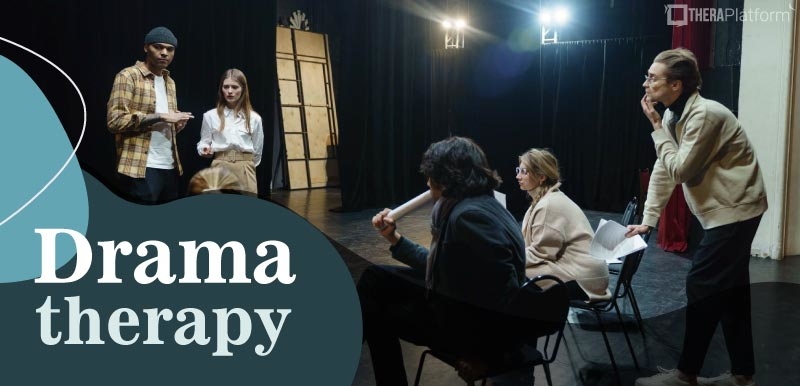
A therapist may guide a client from drawing into movement, or from music into writing, allowing the therapeutic process to unfold organically. This “intermodal” approach encourages clients to explore experiences from multiple sensory and emotional perspectives.
Practice Management + EHR + Telehealth
Manage more in less time in your practice with TheraPlatform
Types of expressive arts therapies
Expressive arts therapy encompasses a wide range of modalities. While clinicians may use one or more forms within a session, each modality offers unique pathways for exploration and healing.
Art therapy
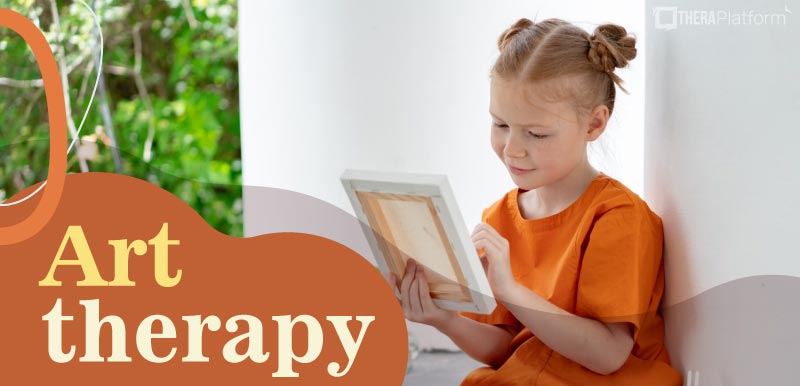
Visual art is one of the most widely recognized expressive modalities. This may include drawing, painting, sculpting, collage, or other forms of visual creation.
Art allows clients to externalize internal experiences, making abstract emotions more tangible. For individuals who struggle with verbal expression, visual art can provide a powerful means of communication.
Clinical literature suggests that art therapy can support emotional regulation, increase self-awareness, and improve psychological well-being. It has also been used effectively in medical and palliative care settings to enhance quality of life and reduce distress.
Importantly, artistic skill is not required. The therapeutic value lies in the process of creating and reflecting, not in producing aesthetically pleasing work.
Music therapy
Music therapy involves the use of sound, rhythm, and musical expression to support emotional and psychological well-being. This may include listening to music, creating music, singing, or exploring rhythm through instruments.
Music can access emotional states that are difficult to reach through words. It engages multiple areas of the brain, including those involved in memory, emotion, and sensory processing.
Research on creative arts therapies indicates that music-based interventions can support emotional expression, reduce anxiety, and enhance mood across various populations .
In expressive arts therapy, music is often combined with other modalities. For example, a client may listen to music and then create visual art or write about the emotions that emerge. Again, the focus isn’t on the product being created, it’s about using it as a processing tool.
Movement therapy
Movement-based therapies, including dance and somatic practices, focus on the connection between the body and emotional experience. These approaches recognize that trauma, stress, and emotional experiences are often stored in the body.
Movement can help clients reconnect with bodily sensations, release tension, and process emotions nonverbally. This is particularly valuable for trauma survivors, who may experience difficulty accessing or articulating their experiences cognitively.
Dance and movement therapies are included within the broader category of creative arts therapies and have been associated with improvements in emotional regulation, body awareness, and overall well-being .
Writing therapy
Writing and narrative expression are powerful tools for processing thoughts and emotions. This modality may include journaling, poetry, storytelling, or guided writing exercises.
Writing allows clients to organize experiences, reflect on meaning, and develop insight. It can also provide a sense of distance, making it easier to explore difficult topics.
Within expressive arts therapy, writing is often used alongside other modalities. For example, a client may create artwork and then write about the experience, deepening reflection and integration.
Narrative approaches within therapy have been shown to support identity development, emotional processing, and meaning-making, particularly in trauma work.
Free Resources for Therapists
Click below and help yourself to peer-created resources:

Benefits of expressive arts therapy
Expressive arts therapy offers a range of benefits that extend beyond traditional talk therapy. While research in this area is still developing, there is growing evidence supporting its effectiveness across various populations and settings.
Emotional expression
One of the primary benefits of expressive arts therapy is its ability to facilitate emotional expression. For many clients, especially children or individuals with trauma histories, verbal communication may be limited or insufficient.
Creative expression provides an alternative language. Through art, music, movement, or writing, clients can explore emotions that may be difficult to articulate.
This process can increase emotional awareness, improve communication, and support psychological insight. It also allows clients to engage with their experiences in a way that feels safer and more accessible.
Trauma processing
Expressive arts therapy is particularly relevant in trauma treatment. Trauma often affects the brain and body in ways that disrupt verbal processing, making traditional talk therapy challenging.
Creative arts therapies offer nonverbal pathways for processing traumatic experiences. A 2025 meta-analysis examining creative arts therapies for post-traumatic stress disorder found that these approaches are widely used in clinical settings and show promising outcomes, although further research is needed to establish definitive conclusions.
Art-based and somatic approaches can help clients externalize traumatic material, regulate emotional responses, and gradually integrate difficult experiences.
Additionally, expressive arts therapy allows for pacing and control. Clients can choose how much to engage, what to express, and when to stop, which is critical for trauma-informed care.
Populations served
Expressive arts therapy is highly adaptable and can be used with a wide range of populations.
It is commonly used with children and adolescents, who may naturally gravitate toward creative expression. For younger clients, play and creativity are often more developmentally appropriate than traditional talk therapy.
Adults also benefit from expressive approaches, particularly when dealing with trauma, grief, anxiety, or depression. Creative therapies have been used in diverse settings, including hospitals, community programs, and mental health clinics.
Research indicates that expressive arts therapies have been applied to populations such as individuals with chronic illness, cancer, dementia, autism spectrum disorder, and severe mental illness .
Additionally, expressive arts therapy has been used in palliative care and end-of-life settings to support emotional expression, meaning-making, and quality of life .
The flexibility of this approach makes it accessible across cultures, age groups, and clinical presentations.
Role of therapists in expressive arts therapy
The role of the therapist in expressive arts therapy is both structured and flexible. Therapists are responsible for creating a safe, supportive environment where clients can explore creative expression without judgment.
Unlike traditional art instruction, the therapist does not evaluate or critique the client’s work. Instead, the focus is on facilitating the process and helping clients reflect on their experiences.
Expressive arts therapists draw from multiple modalities and must be trained in both clinical practice and creative processes. They use their clinical judgment to select appropriate interventions based on the client’s needs, preferences, and therapeutic goals.
An important aspect of this work is attunement. Therapists must be sensitive to the client’s emotional state and adjust the pace and modality accordingly. This is especially important in trauma-informed care, where overstimulation or emotional overwhelm can be harmful.
Therapists also help clients integrate their experiences. After engaging in creative expression, clients are often guided in reflecting on the meaning of their work, connecting it to their thoughts, emotions, and life experiences.
Treatment planning and documentation
As with all therapeutic modalities, expressive arts therapy requires thoughtful documentation and treatment planning. Clinicians must ensure that their work aligns with ethical standards, clinical goals, and, when applicable, insurance requirements.
Treatment planning
Treatment plans should clearly outline:
- Presenting concerns
- Therapeutic goals
- Measurable objectives
- Interventions, including expressive modalities
For example, a treatment plan might include goals related to emotional regulation, trauma processing, or self-expression, with interventions such as guided art exercises or movement-based techniques.
It is important to connect expressive interventions to evidence-based frameworks whenever possible. This helps ensure that treatment remains clinically grounded and defensible.
Documentation of expressive arts therapy
Documentation should reflect both the process and the clinical relevance of expressive work.
Progress notes may include:
- Description of the activity (e.g., drawing, movement exercise)
- Client’s engagement and response
- Emotional themes or insights that emerged
- Connections to treatment goals
For example, instead of simply noting that a client created artwork, documentation should describe how the activity supported emotional expression, insight, or symptom reduction.
Maintaining clear, structured documentation is essential for ethical practice, continuity of care, and potential audits.
Expressive arts therapy represents a powerful and flexible approach within the broader field of mental health treatment. By integrating creative processes into therapy, clinicians can offer clients new ways to access emotions, process experiences, and develop insight.
While research continues to evolve, current evidence suggests that expressive arts therapies can support emotional expression, enhance well-being, and contribute to trauma recovery. These approaches are particularly valuable for clients who struggle with verbal communication or who benefit from experiential, body-based interventions.
For counselors, incorporating expressive arts techniques does not require abandoning traditional methods. Instead, it offers an opportunity to expand the therapeutic toolkit, creating more individualized and responsive care.
As mental health care continues to evolve, approaches that honor both creativity and clinical rigor will likely play an increasingly important role in supporting healing and growth.
How EHRs can help with documentation
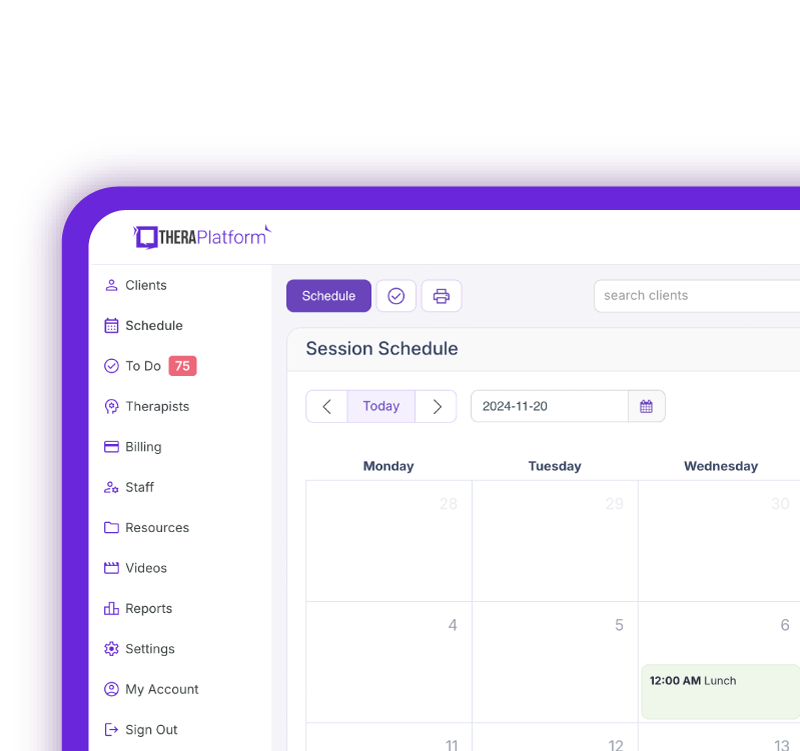
Modern EHR/practice management platforms (such as TheraPlatform) assist greatly with documentation by providing HIPAA‑compliant, integrated systems for note entry, storage, scheduling, and billing.
They allow therapists to:
- Use and customize templates (e.g., SOAP, DAP, and others) or build their own to streamline note writing and ensure consistency.
- Link notes to treatment plans, goals, and session history so client progress is easily tracked over time.
- Utilize e-fax and secure document sharing via client portal to safely exchange information with clients or other providers while maintaining confidentiality.
- Leverage dictation and telehealth transcription, which can automatically convert sessions into therapy or assessment notes, saving time and reducing manual entry.
- Take advantage of AI features that streamline documentation by automatically populating intake form data into assessment templates and generating complete therapy and assessment notes from the information you provide, all with a single click.
Watch this video to learn how to save time on therapy notes
Meanwhile, AI‑assisted note tools are emerging which can further help clinicians by:
- Automatically transcribing session audio (if permitted) and highlighting key moments (e.g. emotional shifts, major themes).
- Suggesting draft notes or filling in objective or assessment sections based on observed data, freeing up clinicians’ time.
- Supporting consistency and reducing missing components in notes, which helps from both clinical, legal, and insurance perspectives.
Together, structured SOAP‑type notes, good EHR platforms, and smart AI tools support better therapeutic outcomes, more efficient workflows, and stronger accountability.
Streamline your practice with One EHR
- Scheduling
- Flexible notes
- Template library
- Billing & payments
- Insurance claims
- Client portal
- Telehealth
- E-fax
Resources for mental health therapists
Theraplatform is an all-in-one EHR, practice management and teletherapy solution with AI-powered notes and Wiley Treatment Planners that allow you to focus more on patient care. With a 30-day free trial, you have the opportunity to experience Theraplatform for yourself with no credit card required. Cancel anytime. They also support different industries including mental and behavioral health therapists in group practices and solo practices.
More resources
- Therapy resources and worksheets
- Therapy private practice courses
- Ultimate teletherapy ebook
- The Ultimate Insurance Billing Guide for Therapists
- The Ultimate Guide to Starting a Private Therapy Practice
- Insurance billing 101
- Practice management tools
Free video classes
- Free on-demand insurance billing for therapist course
- Free mini video lessons to enhance your private practice
- 9 Admin tasks to automate in your private practice
References
American Art Therapy Association. (n.d.). About art therapy. https://arttherapy.org
BMC Complementary Medicine and Therapies. (2023). Arts-based therapies, practices, and interventions in health. https://bmccomplementmedtherapies.biomedcentral.com/articles/10.1186/s12906-023-04177-4
BMC Psychology. (2025). Creative arts therapy for PTSD: A meta-analysis. https://bmcpsychology.biomedcentral.com/articles/10.1186/s40359-025-02361-4
GoodTherapy. (n.d.). Expressive arts therapy: Techniques and benefits. https://www.goodtherapy.org/learn-about-therapy/types/expressive-arts-therapy
National Center for Biotechnology Information. (2023). Art therapy (StatPearls). https://www.ncbi.nlm.nih.gov/books/NBK549771/
Psychology Today. (n.d.). Expressive arts therapy. https://www.psychologytoday.com/us/therapy-types/expressive-arts-therapy
Psychotherapy and Counselling Journal of Australia. (2014). Effectiveness of expressive arts therapies: A review. https://doi.org/10.59158/001c.71004
National Center for Biotechnology Information. (2000). The effectiveness of art therapy: A review. https://www.ncbi.nlm.nih.gov/books/NBK68290
FAQs about expressive arts therapy
What is expressive arts therapy?
Expressive arts therapy is a multimodal approach that uses creative methods—such as art, music, movement, and writing—to help individuals explore emotions and improve mental health.
Who can benefit from expressive arts therapy?
Expressive arts therapy is especially helpful for individuals who struggle to verbalize emotions, including children, trauma survivors, and clients with limited insight into their thoughts and feelings.
Does expressive arts therapy require artistic skill?
No, expressive arts therapy focuses on the creative process rather than artistic ability, making it accessible to clients of all skill levels.