
Sensory issues in adults

Sensory issues in adults often begin in childhood. In adults, it can manifest as chronic overwhelm, fatigue, irritability, difficulty focusing, sensory sensitivity, or sensory-seeking behaviors.
“Growing evidence indicates that differences in sensory processing may contribute to a greater risk of developing mental ill-health issues," according to the British Journal of Occupational Therapy.
Summary
- Sensory issues in adults often stem from childhood and can show up as chronic overwhelm, irritability, fatigue, difficulty focusing, or sensory sensitivity and seeking behaviors.
- Sensory challenges exist on a spectrum and are influenced by stress, sleep, nutrition, and environment, often being mistaken for anxiety or burnout.
- Occupational therapy helps adults identify sensory triggers, build regulation strategies, and create supportive routines and environments. Download my free mindfulness practice sheet.
- With consistent, personalized strategies, adults can improve emotional regulation, energy levels, focus, and overall well-being. Therapists can organize and maintain treatment plans and access homework through an EHR.
Streamline your practice with One EHR
- Scheduling
- Flexible notes
- Template library
- Billing & payments
- Insurance claims
- Client portal
- Telehealth
- E-fax

Understanding what sensory processing is in adulthood can be a validating experience and can be improved with practical strategies for daily life.
What are Sensory Processing Issues?
An article from the Star Institute indicates that “Sensory processing is the neurology of how we feel. The sensory messages we receive from our bodies and the world around us are responded to in everything we do in life.”
A human's ability to process sensory data does not usually require conscious thought or cognitive effort. It provides emotional stability, social interaction, a sense of self, well-being, satisfaction, and/or accomplishment, the Star Institute article explains.
Sensory issues in adults can impact every aspect of daily life, including our social relationships, exercise, interests, hobbies, and even diet preferences.
Sensory processing issues can present as sensory overload, sensory seeking, craving, difficulty with discriminating various sensory inputs, such as auditory or tactile, postural disorder, and dyspraxia.
Some symptoms include bumping into people and objects, reacting strongly to loud sounds or bright lights, constantly touching objects, feeling uncomfortable with specific articles of clothing, and poor personal space.
Signs of sensory overload and sensory seeking in adults
Sensory experiences exist on a spectrum and are influenced by stress, sleep, nutrition, or other environmental factors. Some adults are sensory-seekers, while others are avoidant or sensitive.
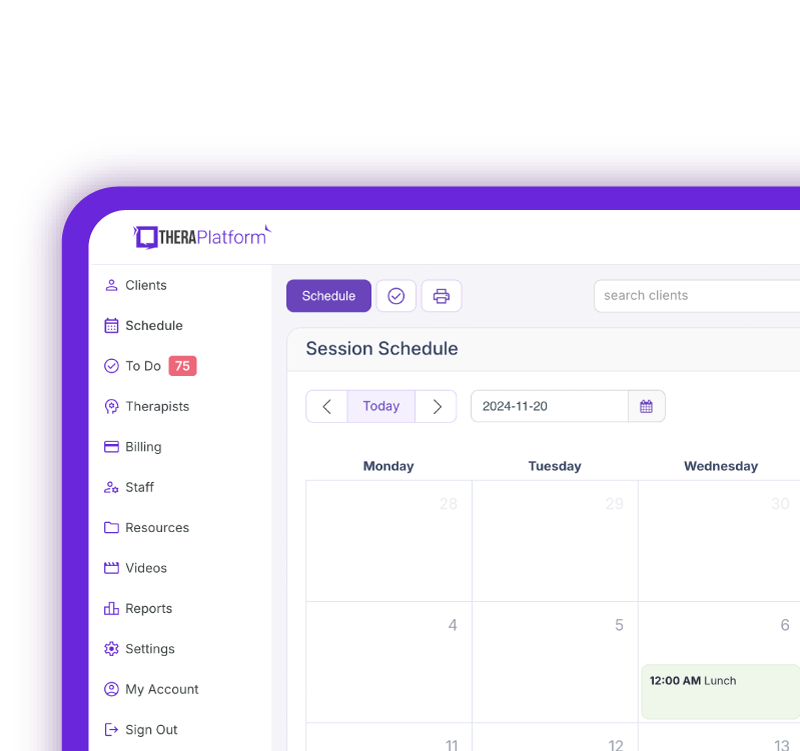
Practice Management + EHR + Telehealth
Manage more in less time in your practice with TheraPlatform
Signs of sensory overload
- Feeling irritable, anxious, or shutting down in busy environments
- Trouble focusing or concentrating with background noise
- Strong reactions to bright lights, loud sounds, smells, and fabrics
- Fatigue, exhaustion, or overwhelm after sensory exposure
- Feeling emotionally flooded
- Strong emotional outbursts or overreactions to small inconveniences
Signs of sensory seeking
- Craving intense movement, pressure, or physical activity
- Difficulty sitting or feeling restless when understimulated
- Seeking out strong flavors, smells, and temperature changes
- Using fidgeting, pacing, or bouncing to regulate emotions
- Feeling calm with deep pressure input, exercise, or rhythmic movement
Common triggers in work and social settings
For adults, sensory challenges become more noticeable in environments where expectations are high and accommodations are limited.
Workplace triggers
- Open office layouts with constant noise and visual inputs
- Fluorescent lighting or screens without breaks
- Frequent interruptions or multi-tasking demands
- Tight clothing or professional attire
- Long meetings with limited movement
Social setting triggers
- Crowded restaurants or events
- Background music combined with conversation
- Strong smells such as food, fragrance, or perfumes
- Unpredictable noise or visual stimuli
- Pressure to push through discomfort to appear social
Oftentimes, adults are expected to tolerate these environments without complaint. Sensory distress can get misinterpreted as anxiety, burnout, or mood issues, when in reality, the nervous system is overwhelmed.
How OT and Sensory Integration Therapy can help
Unaddressed sensory experiences can significantly impact adult mental health.
Research has shown that individuals “described how sensory experiences can negatively impact their mental health, highlighting links to anxiety, self-harm, and eating disorders. They also reported negative physical responses in response to aversive aspects of the sensory environment, and how these could affect their physical health.”
Occupational therapy for sensory issues in adults helps individuals identify these triggers and participate in daily life, such as work, social life, relationships, routines, and self-care.
For adults with sensory sensitivities, OT can help by:
- Identifying individual sensory patterns and triggers
- Understanding how stress, sleep, nutrition, and routine affect regulation
- Building a personalized sensory regulation plan
- Modifying environments to reduce sensory overload
- Teaching strategies to improve attention, focus, energy, and emotional regulation
Occupational therapy with a sensory integration framework is not aimed at fixing sensory processing issues. It helps support the nervous system by becoming more flexible and resilient, while honoring the needs of the individuals and understanding the why is an important and integral step in understanding sensory processing in adults, and a powerful first step in change.
Free Resources for Therapists
Click below and help yourself to peer-created resources:

Self-regulation strategies for sensory issues in adults
Professional support is crucial for understanding and addressing many sensory processing-related challenges, and many effective strategies can be incorporated into an individual’s daily routine.
A sensory diet is a planned set of activities that help regulate the nervous system throughout the day. For adults specifically, this may include:
- Morning movement: Walking, strength-training, biking, yoga
- Deep pressure: Weighted blankets, firm hugs, compression clothing
- Scheduled sensory breaks during work
- Calming sensory input in the evening
Environmental adjustments for sensory issues in adults
Small changes can significantly reduce nervous system load:
- Noise-cancelling headphones or earplugs
- Warmer or dimmable lighting
- Decluttering visual spaces
- Choosing soft, breathable fabrics
Grounding and regulation tools
- Slow, deep breathing
- Meditation
- Temperature input, such as warm showers or cold water on wrists
- Fidget tools
- Rhythmic movements
Boundary setting
- Leaving events early
- Taking a break without emotional guilt
- Advocating for self and needs
- Learning to say no
Living with sensory processing disorder or sensory processing challenges can be mentally, physically, and emotionally exhausting, especially if there is significant pressure to power or push through.
Sensory processing differences aren’t flaws, they're part of your nervous system and how it interacts with the world. When left unsupported, it can definitely be detrimental and shape how stress shows up, one’s energy levels, social interactions and relationships, and self-confidence.
Having professional support is crucial to understanding your unique sensory profile and how to work with it versus against it. Through occupational therapy and sensory-informed care, adults can name their challenges, build awareness, develop effective regulation tools, and create environments that support them.
These powerful changes happen through small, consistent strategies that are woven into daily routines. When sensory needs are acknowledged and supported, adults can move through the world more clearly, with more patience, and with emotional resilience.
How EHRs can help with documentation
Modern EHR/practice management platforms (such as TheraPlatform) assist greatly with documentation by providing HIPAA‑compliant, integrated systems for note entry, storage, scheduling, and billing.
They allow therapists to:
- Use and customize templates (e.g., SOAP, DAP, and others) or build their own to streamline note writing and ensure consistency.
- Link notes to treatment plans, goals, and session history so client progress is easily tracked over time.
- Utilize e-fax and secure document sharing via client portal to safely exchange information with clients or other providers while maintaining confidentiality.
- Leverage dictation and telehealth transcription, which can automatically convert sessions into therapy or assessment notes, saving time and reducing manual entry.
- Take advantage of AI features that streamline documentation by automatically populating intake form data into assessment templates and generating complete therapy and assessment notes from the information you provide, all with a single click.
Watch this video to learn how to save time on therapy notes
Meanwhile, AI‑assisted note tools are emerging which can further help clinicians by:
- Automatically transcribing session audio (if permitted) and highlighting key moments (e.g. emotional shifts, major themes).
- Suggesting draft notes or filling in objective or assessment sections based on observed data, freeing up clinicians’ time.
- Supporting consistency and reducing missing components in notes, which helps from both clinical, legal, and insurance perspectives.
Together, structured SOAP‑type notes, good EHR platforms, and smart AI tools support better therapeutic outcomes, more efficient workflows, and stronger accountability.
Streamline your practice with One EHR
- Scheduling
- Flexible notes
- Template library
- Billing & payments
- Insurance claims
- Client portal
- Telehealth
- E-fax
Resources for occupational therapists
TheraPlatform is an all-in-one EHR, practice management, and teletherapy software built with AI-powered notes for therapists to help them save time on admin tasks. It offers a 30-day risk-free trial with no credit card required and supports different industries and sizes of practices, including occupational therapists in group and solo practices.
More resources
- Therapy resources and worksheets
- Therapy private practice courses
- Ultimate teletherapy ebook
- The Ultimate Insurance Billing Guide for Therapists
- The Ultimate Guide to Starting a Private Therapy Practice
- Insurance billing 101
- Practice management tools
Free video classes
- Free on-demand insurance billing for therapist course
- Free mini video lessons to enhance your private practice
- 9 Admin tasks to automate in your private practice
References
- Ercan Doğu, S., & Aydöner Bektaş, S. (2025). The Role of Sensory Processing Patterns on Mental Health in Healthy Adults. British Journal of Occupational Therapy 88 (9), 553–562. https://doi.org/10.1177/03080226251340287
- MacLennan, K., O’Brien, S., & Tavassoli, T. (2021). In Our Own Words: The Complex Sensory Experiences of Autistic Adults. Journal of Autism and Developmental Disorders, 52(7), 3061–3075. https://doi.org/10.1007/s10803-021-05186-3
- Understanding the Sensory Integration Process. Sensory Processing - STAR Institute. https://sensoryhealth.org/basic/understanding-sensory-integration-process
FAQs about sensory issues in adults
What are sensory processing issues in adults?
Sensory processing issues in adults involve difficulty regulating and interpreting sensory input, which can lead to overwhelm, fatigue, irritability, trouble focusing, sensory sensitivity, or sensory-seeking behaviors.
Can sensory issues be mistaken for anxiety or burnout?
Yes. Sensory challenges are often misinterpreted as anxiety, stress, or burnout because symptoms overlap, but the root issue is nervous system overload rather than purely emotional distress.
How can occupational therapy help with sensory issues in adults?
Occupational therapy helps adults identify sensory triggers, develop personalized regulation strategies, modify environments, and build routines that improve focus, energy, and emotional regulation.